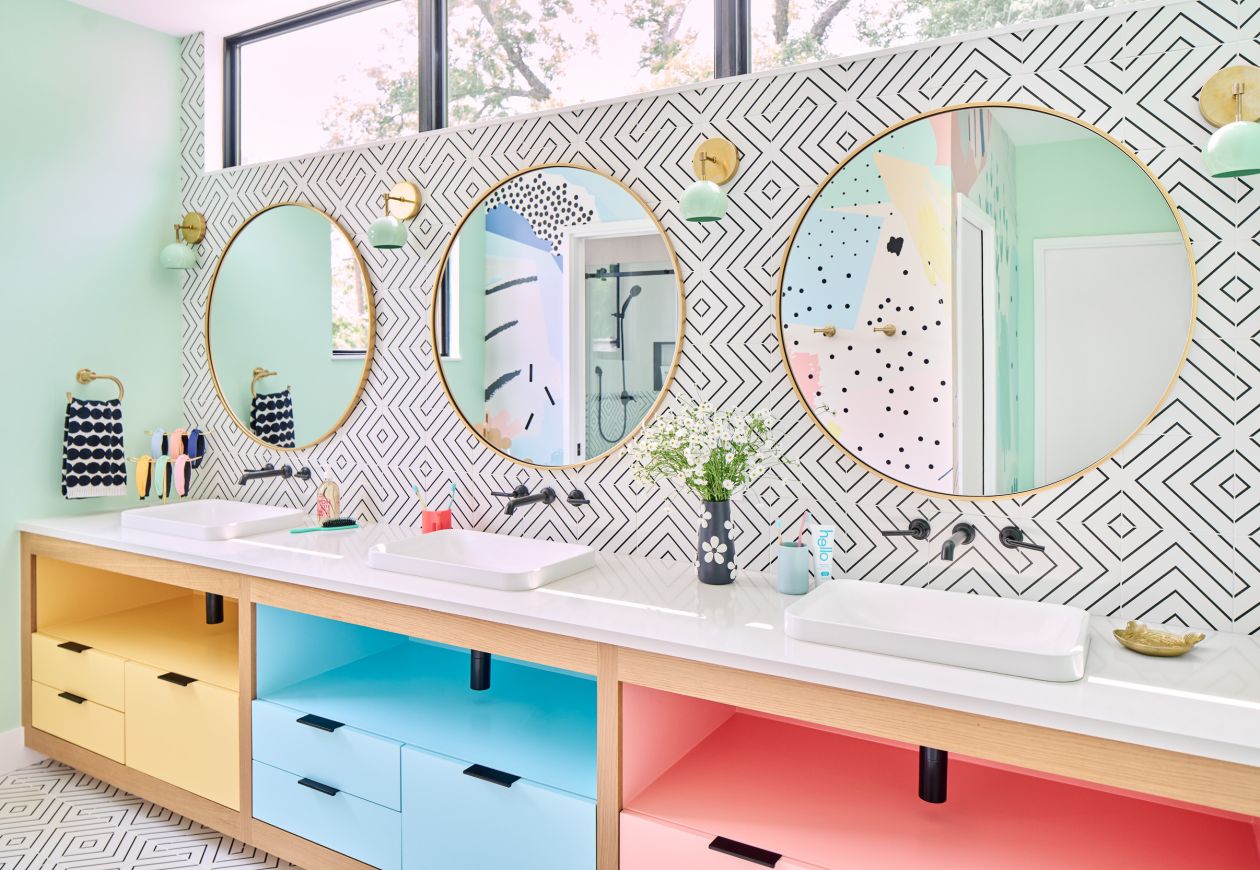

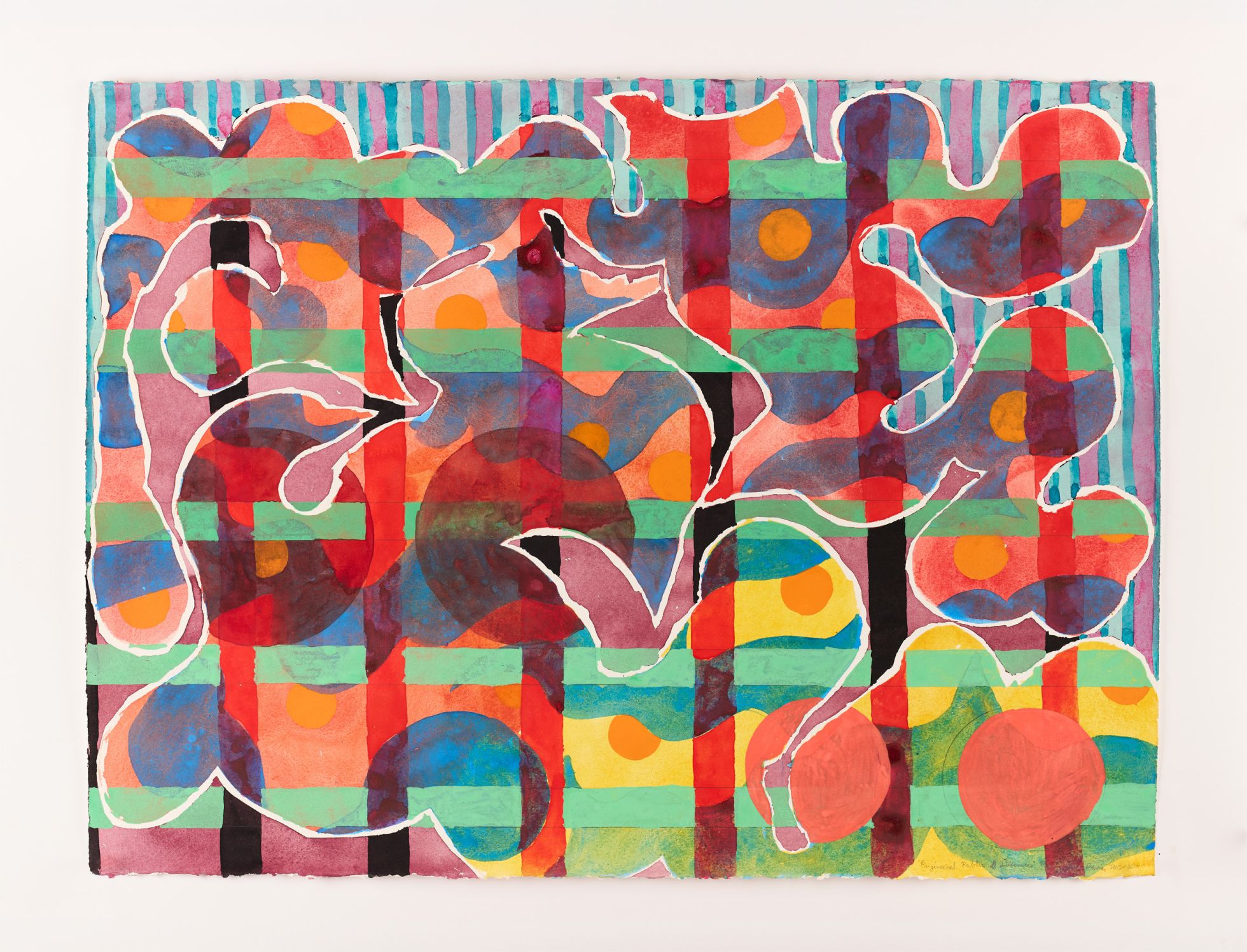
Engineered Public Discourse, 22" x 30", gouache on paper, 2024
An interview by Benny Alley. Studio portraits by jinni j. All other images by Ryan Davis
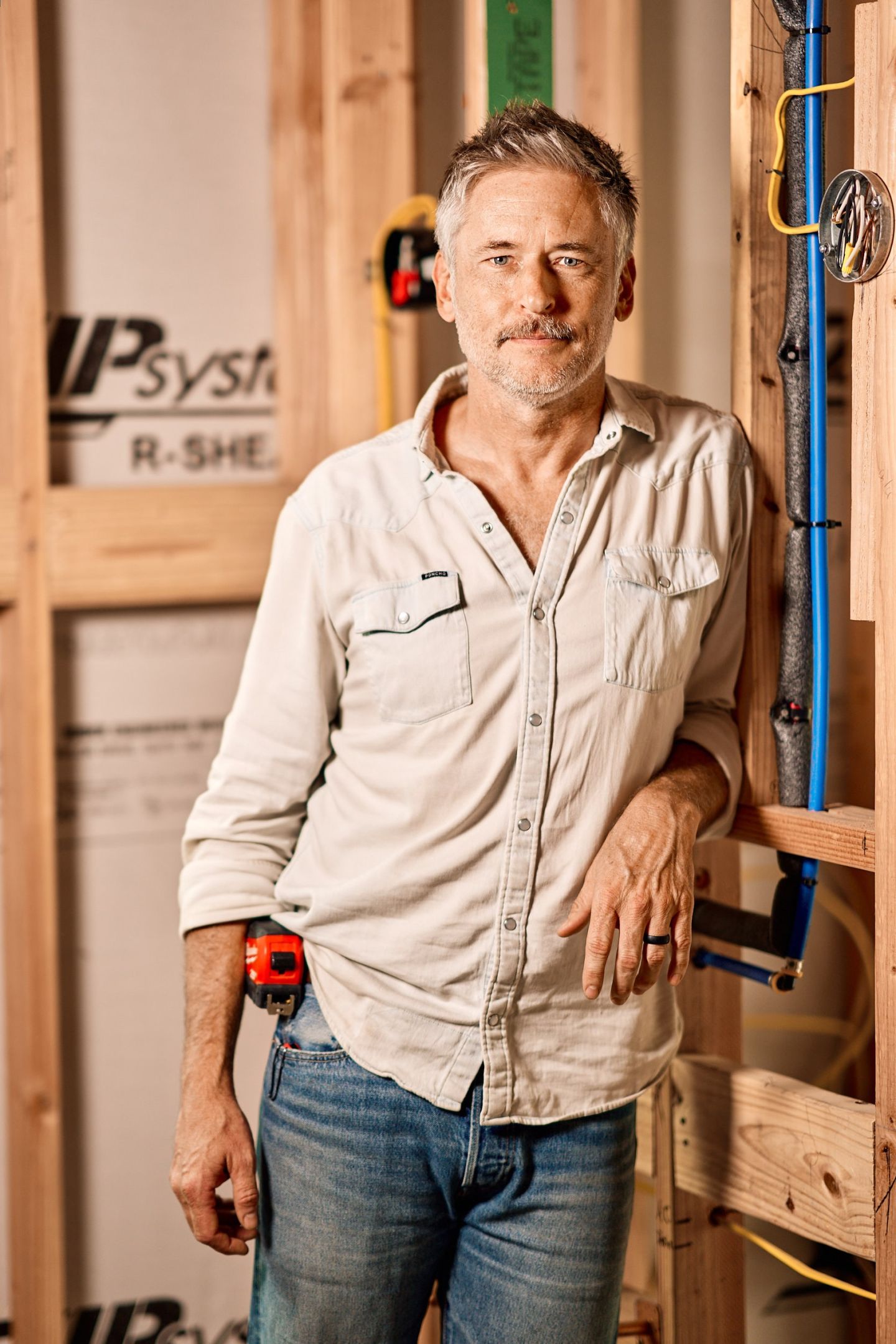
Ryan has been part of CG&S for 20 years, bringing his eye to the company in many forms. Today, that includes photographing finished projects, job sites, events, portraits, and the in-between moments that help tell the story of the work.
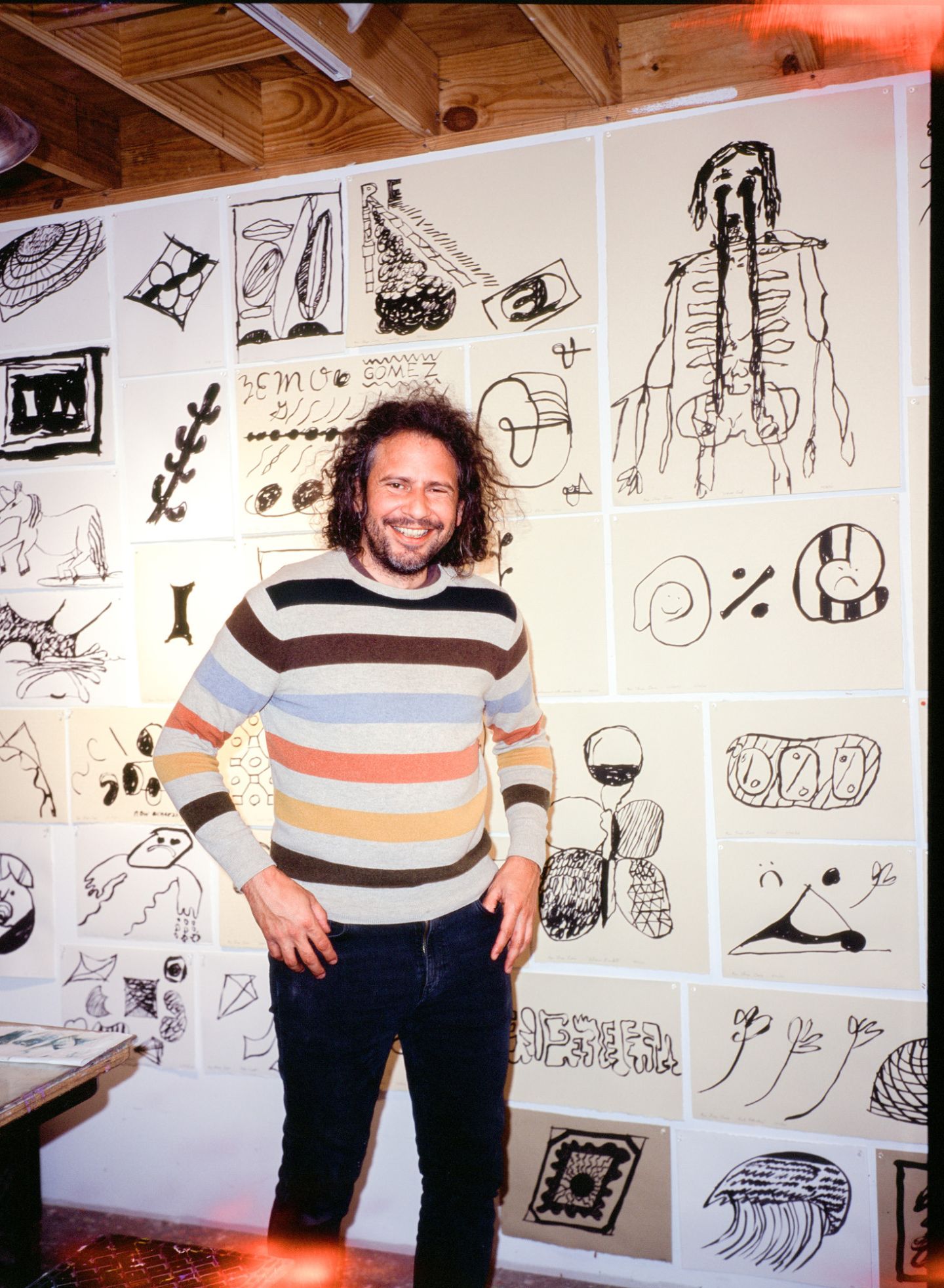
He is also an artist and painter, and that is not separate from the work he does here. It is part of it.
At CG&S, the work has always depended on people bringing their full talents to the table. Design, building, photography, drawing, problem solving, and making things by hand. One kind of artistry strengthens another.
For Ryan, painting, photography, typography, color, and composition all feed one another, shaping the way he documents built work and understands the relationship between art and architecture.
In this conversation, Ryan talks about mapping a space before photographing it, the connection between painting and photography, and why the final document of a project can become something more than a record: “a love letter to everything and everyone that made the project happen.”
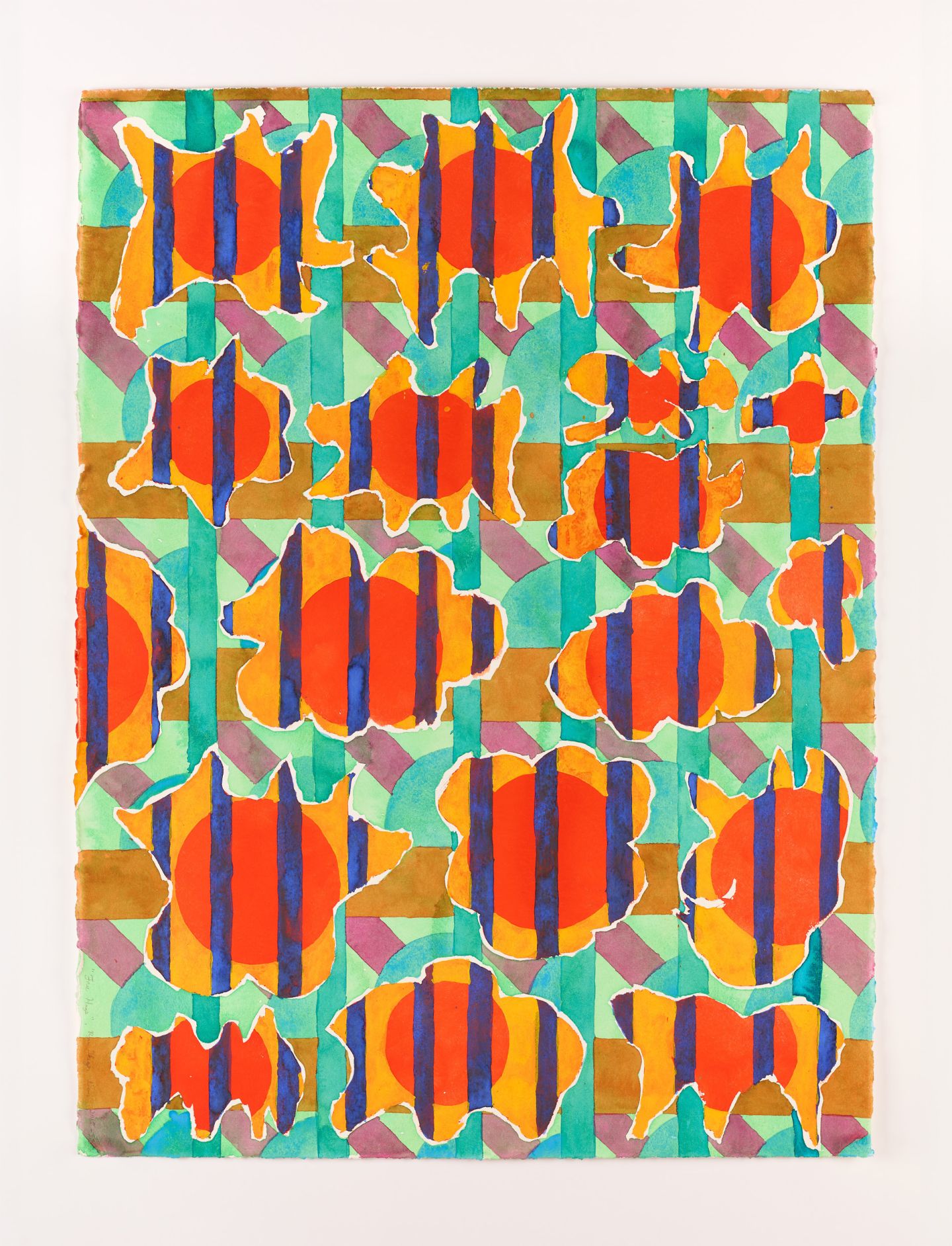
Q: You move between painting, photography, and the visual world of CG&S. Do those feel like separate lanes to you, or do they feed each other?
Ryan Davis: I feel like all these skills or worlds are integrated in some way. Studying the relationship between photography and painting helps both. Color and composition are mutually supportive. Photography and typography work together in graphic design along with compositional principles. It’s so fun to have the visual brain working with all of these principles over the years, and I do think the study of each influences all the others singly, and in concert.
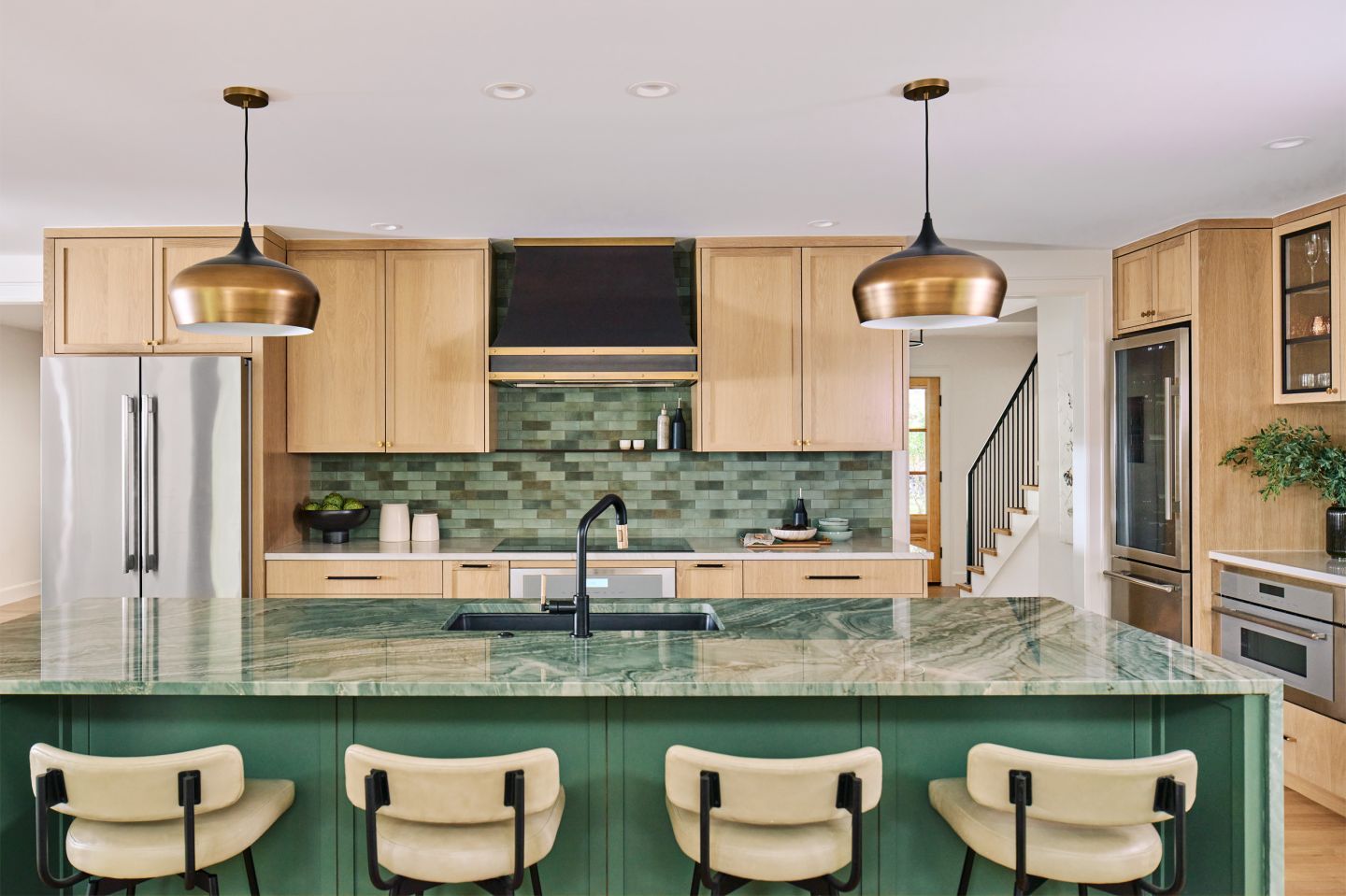
Q: When you’re photographing a job site, an event, or a finished space, what tends to catch your eye first?
Ryan Davis: Nothing at first. I feel like a cat or dog that moves to a new house. The first thing to do is move around the set and scope out every area and its orientation in the world. It’s sort of like making a map of the entire space in the mind before going forward. As that’s happening, certain shots and angles start forming in my mind and I try to make mental notes of these opportunities. As the map is filled in, the inspiration begins.
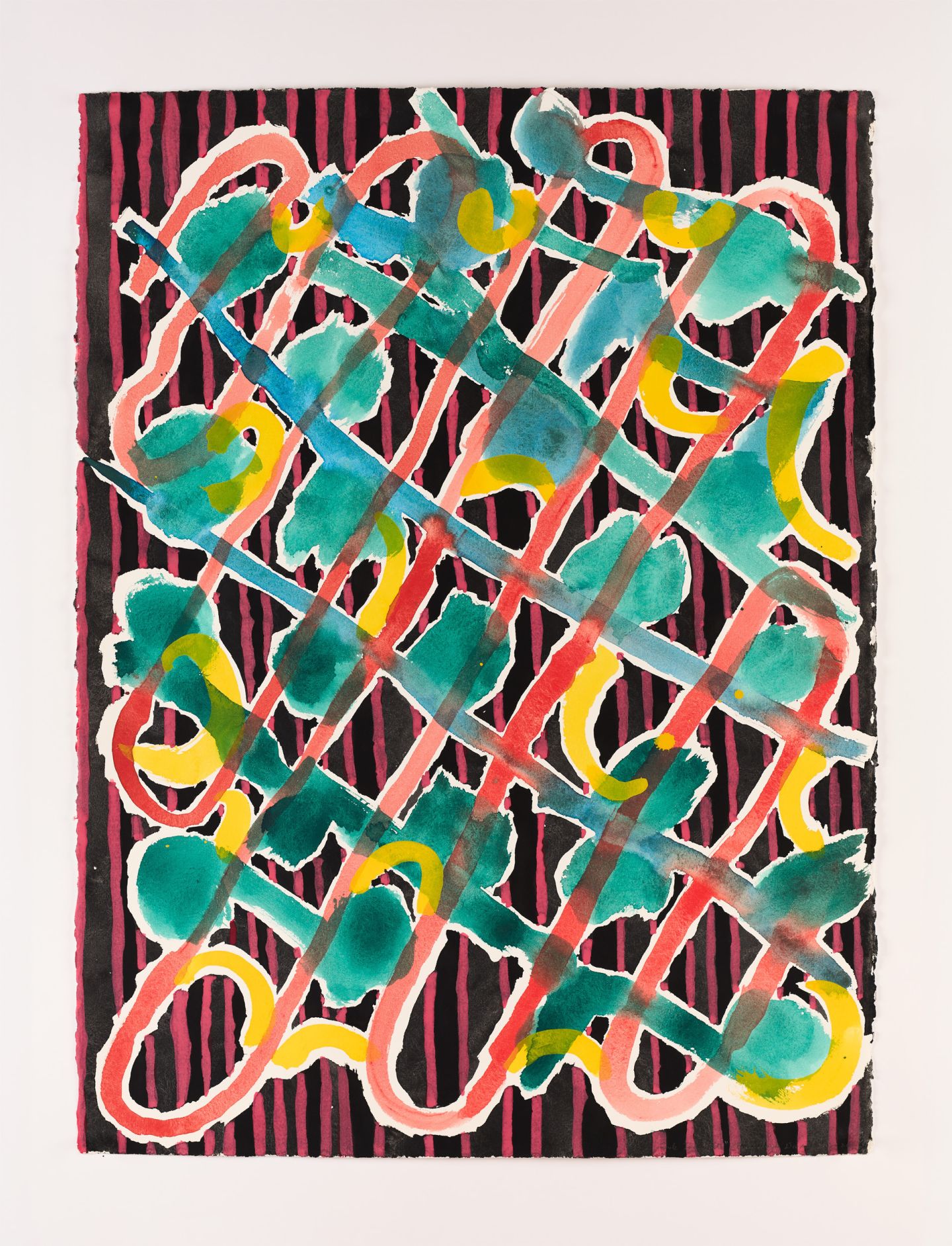
Q: Has your art practice changed the way you document architecture and people? Or has working around built spaces changed the way you make art?
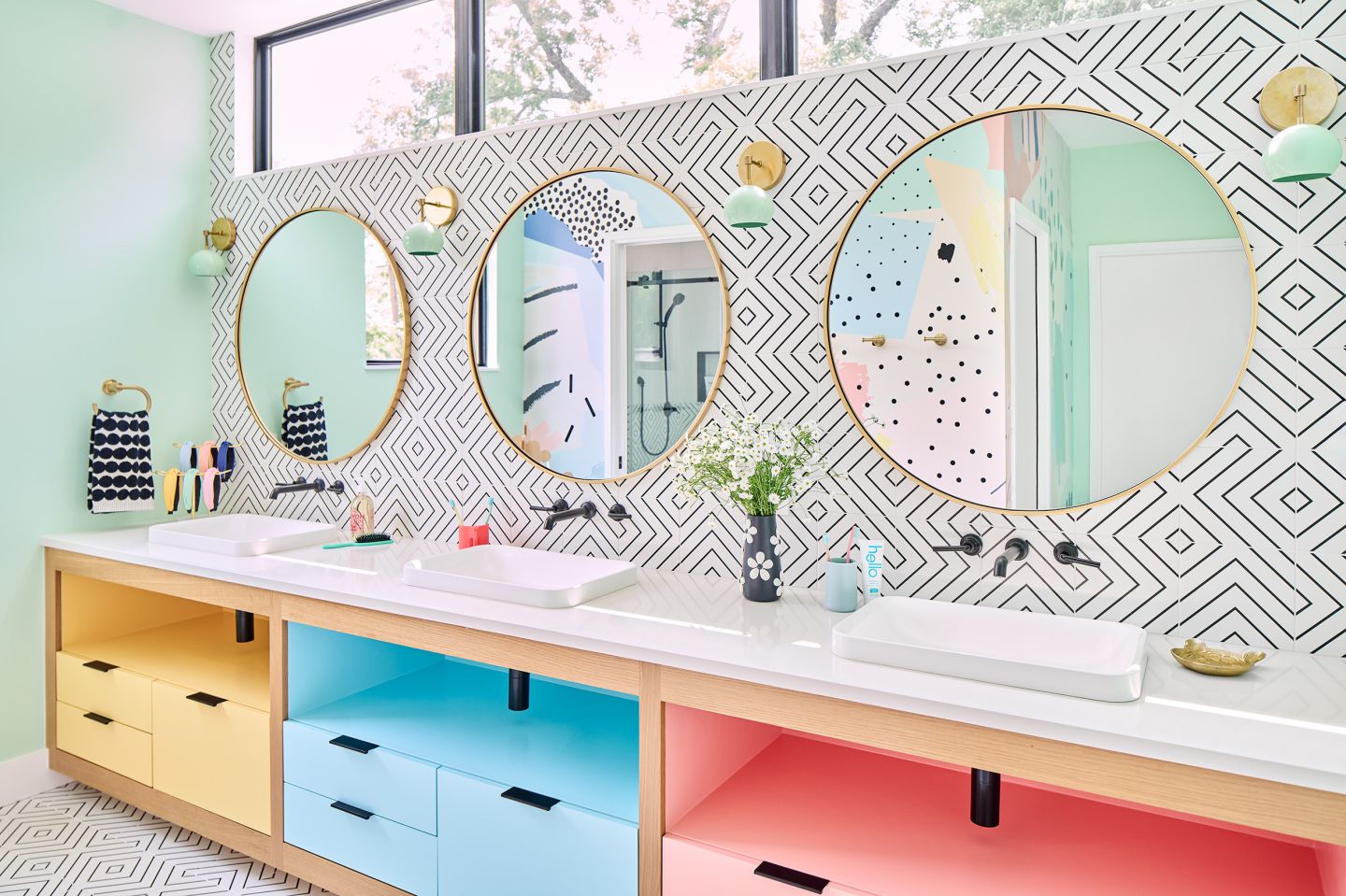
Ryan Davis: I think keeping the mind sharp with composition in painting and drawing, all the analysis involved in that, definitely influences how I document architecture. It influences how I want to work with color in a shot, and also the formalist narratives of how forms block out a space and lead the eye through it.
It’s sort of hard to describe, because for architecture one is essentially making a photograph with nothing going on. It’s just an empty room. So everything in the room becomes the character, becomes the subject, whether it’s a bar stool, or a rug, or a pendant, you know whatever it is.
When I’m photographing people, I sometimes think of renaissance painting and art history in general to inform what I think is the moment I’m looking for.
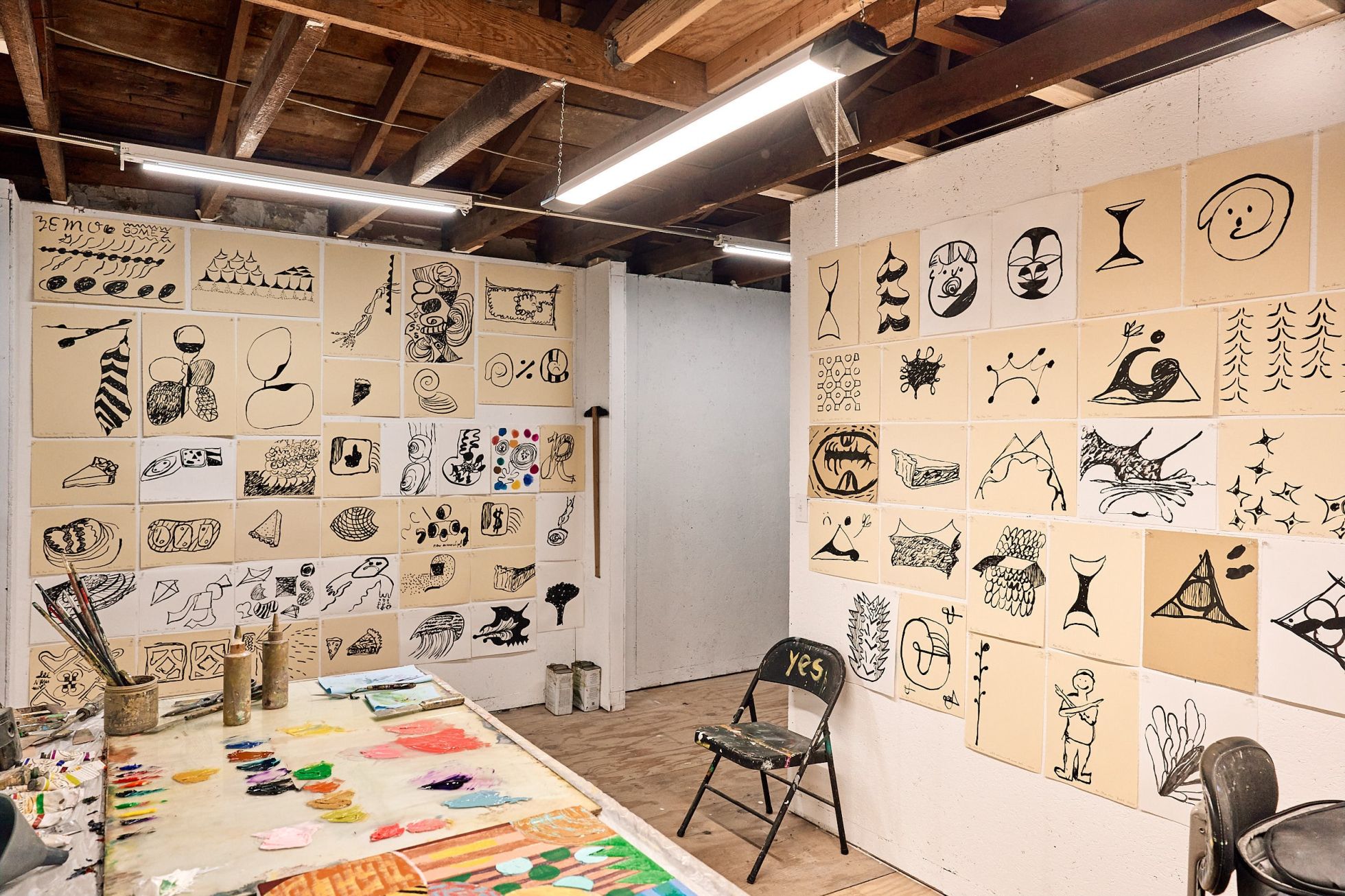
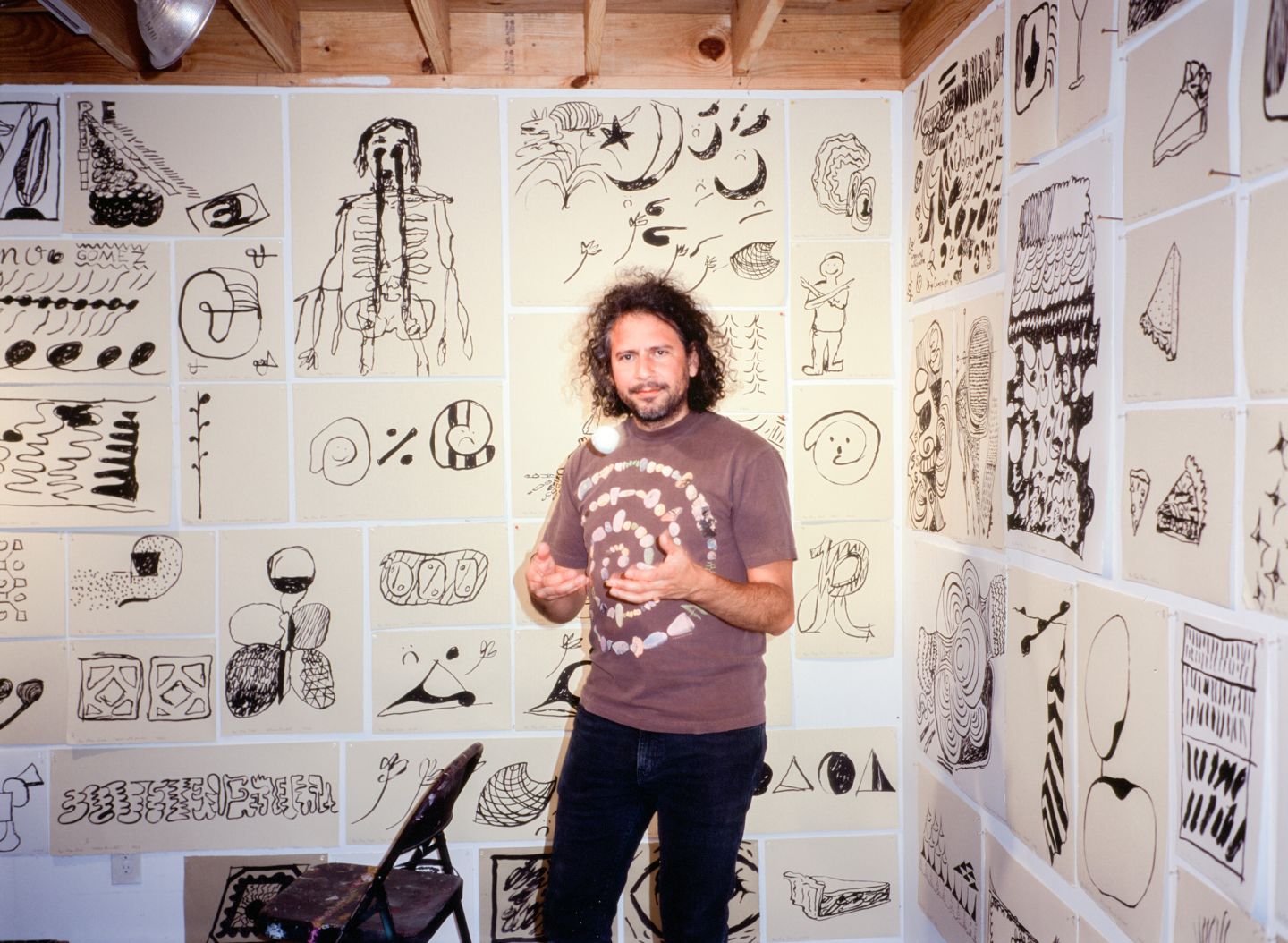
Studio setup at Spellerberg Projects in Lockhart, TX, 2024
Q: What makes an image worth capturing for you, whether it’s a painting, portrait, or photograph of a space?
Ryan Davis: When it’s a portrait, it’s like this feeling of an 'aha' moment. You’re sort of just waiting for it, and you can kind of start to anticipate it with experience. It’s like the best strikers in the world who just know the ball is going to come to them, but you have to be available and in the right place.
Spaces need the right amount of structure balanced by some kind of movement, and some narrative action or element that I mentioned before. Above all, beautiful or compelling light is absolutely essential to an image that moves the viewer.
Paintings though are their own thing. They have to be discovered, not captured.
Q: When you’re photographing a finished project, what are you hoping to preserve beyond just the design itself?
Ryan Davis: I’m just trying to show what it’s like to be there in person. The image has to be both descriptive and beautiful. But all photos lie. I aim to not have the work have an affect that’s trendy, but it does need to also be compelling and accurate.
It’s a strange balance and hopefully we have our own distinctive style; like, this is the feeling of a CG&S project, and it’s different from anybody else. I want to be able to project that in a strong, clear way in addition to the documentation.
The document is a love letter to everything and everyone that made the project happen and for the client to have a keepsake of the project before time inevitably changes everything. Being on staff here makes that extra special, as opposed to an outside photographer that doesn’t have the same back of house view or perhaps interest in how the work came to be.
Q: What kinds of photography or visual work do you most often handle through CG&S?
Ryan Davis: I do architectural interior photography, event photography, staff portraiture, and sometimes editorial portraiture with our clients in the home. I also do graphic design for print and web, and work on the visual brand identity when needed.
I serve as a catch-all helper for our staff’s graphic needs as well as a strategic long term planner and creative resource for the CG&S brand. Projects can include things like apparel, merch, typesetting, office documents, and signage up to and including the design of our logo. I manage the content end of our website and other online platforms as well as design print outreach like our newsletter and postcards.
Q: Is there a short way you’d describe your art practice right now?
Ryan Davis: Slow and steady!

If You See Something, Say Something To Your Painting, 22"x30", gouache on paper, 2024